


Modified Car Auto Insurance: How Custom Parts Affect Coverage
How Vehicle Modifications Affect Auto Insurance
Modified car auto insurance works differently than standard coverage because upgrades change a vehicle’s value, repair costs, and risk profile. When drivers add aftermarket parts, insurers need accurate information to properly assess coverage and pricing.
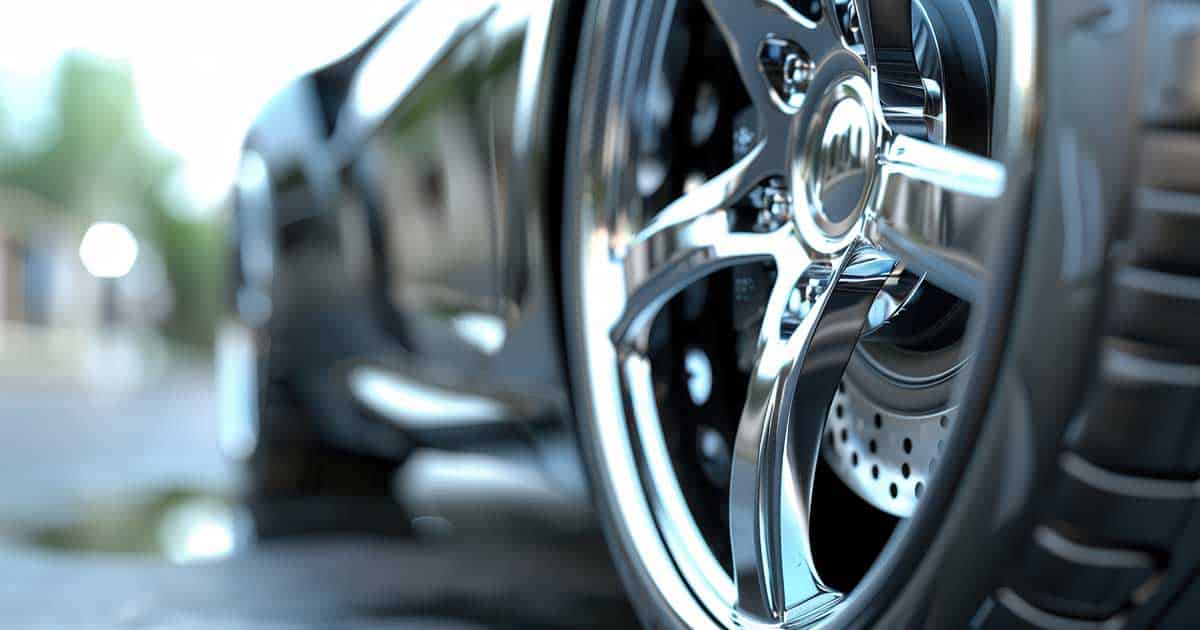
Common modifications include body kits, aftermarket rims, performance tuning, custom paint, upgraded stereo systems, and interior enhancements. Each of these changes can increase the cost to repair or replace the vehicle after a claim.
Why Disclosure Matters for Coverage and Claims
When drivers fail to disclose modifications, insurance companies may only cover the vehicle’s original factory value. This can lead to significant out-of-pocket expenses after an accident, theft, or total loss.
Proper disclosure allows insurers to account for added value and risk. Providing receipts, photos, and installation details helps ensure that custom parts receive appropriate protection. Without this step, even expensive upgrades may not be covered during a claim.
How to Protect a Modified Vehicle Properly
Many insurers offer custom parts and equipment coverage, which extends protection to aftermarket upgrades when they are listed on the policy. As modifications increase, coverage should evolve to reflect the vehicle’s true value.
Modified car auto insurance requires regular reviews, especially after new upgrades. Drivers who update their policies as changes are made avoid coverage gaps and claim disputes later.
Drivers in Maryland, Virginia, Washington, D.C., and the Mid-Atlantic can benefit from reviewing coverage after modifying a vehicle.
Contact our team today for a no-pressure auto insurance check-up.